How to Eliminate Large Cell Amphidinium Dinoflagellates in Reef Tanks
6/8/20268 min read
Understanding Large Cell Amphidinium Dinoflagellates
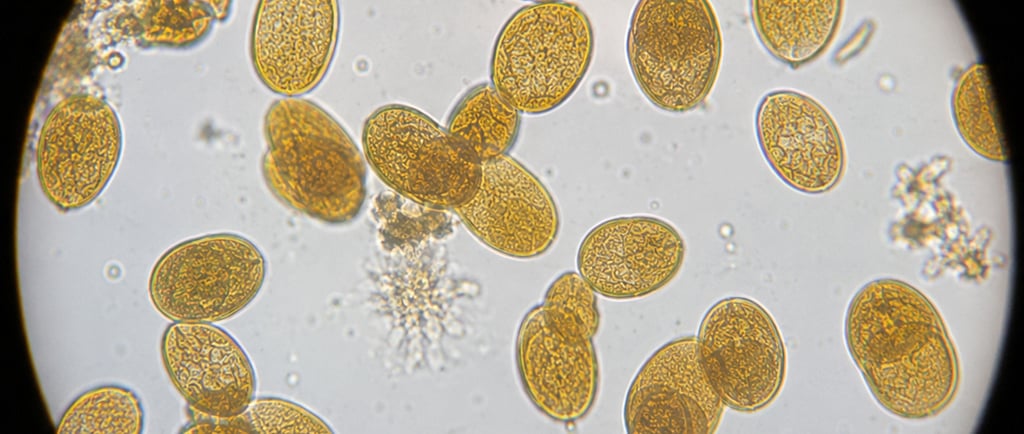
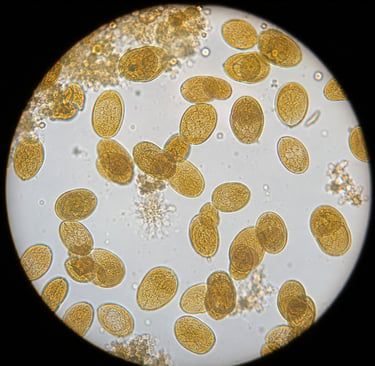
Large cell amphidinium dinoflagellates (LCA) present a unique aspect of marine biology that is particularly important for the health of reef tanks. These unicellular organisms are part of the dinoflagellate family and are characterized by their large cell size, which can often be observed under a microscope. LCA typically exhibit a yellowish-brown hue due to the presence of chloroplasts that allow them to perform photosynthesis, a trait that underpins their role in aquatic ecosystems.
In natural environments, such as coastal regions and shallow waters, large cell amphidinium dinoflagellates flourish in warm temperatures and can thrive in nutrient-rich conditions. Unfortunately, these same factors often lead to challenges within reef tank systems. In captivity, excess nutrients, often from overfeeding or insufficient algae control, can create an ideal breeding ground for LCA, leading to rapid population growth.
The growth patterns of large cell amphidinium dinoflagellates can directly impact the overall health of a reef tank ecosystem. When their populations surge, they may cause harmful algal blooms, which can compete with corals for available nutrients and light. Furthermore, the presence of LCA in high concentrations can lead to the production of toxins that adversely affect coral polyps and other marine life, disrupting the delicate balance of the tank environment.
It is crucial for reef tank enthusiasts and aquarists to understand the characteristics and environmental preferences of large cell amphidinium dinoflagellates. By keeping a close eye on nutrient levels and implementing regular maintenance routines, hobbyists can mitigate the risk posed by these dinoflagellates and promote a healthier and more stable reef ecosystem.
Recognizing the Signs of LCA Proliferation
Detecting the prevalence of Large Cell Amphidinium (LCA) dinoflagellates in reef tanks is crucial for maintaining a healthy aquatic environment. Aquarists must stay vigilant and learn to identify several key indicators that suggest an overgrowth of these microorganisms. One of the most prominent visual signs of LCA proliferation includes a noticeable shift in water clarity. Typically, when conditions are conducive to coral health, the water appears crystal clear. However, the presence of LCA can lead to hazy or discolored water, often tinted brown or green due to the dense population of these dinoflagellates.
Moreover, observing the overall health of corals within the tank is essential. As LCA overgrowth occurs, corals may exhibit signs of stress, such as retraction, fading colors, or even tissue necrosis. This deterioration can signal an imbalance in the tank’s water chemistry, often related to elevated nutrient levels, which can foster harmful algal blooms and subsequently impact coral health. Additionally, if corals become visibly covered in a brown, slimy film, this is another indication that large cell dinoflagellates are thriving in the tank.
Another aspect to consider is the behavior of the tank's inhabitants. Fish and invertebrates may exhibit signs of discomfort or stress, such as lethargy or a decrease in feeding. If marine life is not engaging in normal behaviors, it can reflect a broader issue related to water quality and the ecological balance of the system. Regular monitoring and assessment of both biological and chemical parameters in the reef tank are crucial in identifying early signs of LCA proliferation, thus enabling preventative measures to safeguard the ecosystem.
A common trigger for dinoflagellates is zero or near zero nutrients. Try to keep your Nitrates between 5-15 PPM and Phosphate around 0.05 to 0.15 PPM.
Common Techniques for Controlling LCA
Managing Large Cell Amphidinium (LCA) dinoflagellates in reef tanks is crucial for maintaining a healthy aquatic environment. Various techniques can be employed to control and remove these organisms effectively, each with its own advantages and disadvantages.
First, mechanical control methods involve the physical removal of LCA through filtration or siphoning. Using a fine mesh filter or a sponge can help collect free-floating LCA and prevent further proliferation. This option is straightforward and non-invasive, allowing reef keepers to quickly address an outbreak. However, mechanical methods may only provide a temporary solution, as they do not eradicate the root cause of the algal bloom, which could lead to recurrence. More importantly, LCA doesn't go much in the water column at night so micro filtration or traditional UV is rarely effective. What I would recommend is the Sand Bed UV Sweeper. It's very effective to kill the bulk of dinos on your sand bed and will greatly help to level the field for the competing organisms.
Biological control techniques leverage natural predators or competitors to keep LCA populations in check. Introducing herbivorous fish or invertebrates can diversify the tank's ecosystem and create an environment less conducive to LCA growth. Species such as tangs and certain types of snails have been effective in controlling various algal populations. While this approach is environmentally friendly, caution is advised, as introducing new species can potentially disrupt the existing balance within the tank or introduce new pests.
Chemical control options are also available, including the use of algaecides specifically designed to target dinoflagellates. While these treatments can be highly effective in quickly reducing LCA populations, they may alter water chemistry and can be harmful to sensitive reef inhabitants if not used judiciously. Additionally, reliance on chemical treatments may lead to resistance over time, making long-term management more challenging. I personally tried Hydrogen Peroxide and Fauna Marin Dino X without success. Far from it, I lost inverts and corals and the dinoflagellates were stronger than ever. LCA dinoflagellates are largely immune to most algaecides.
Ultimately, the selection of a control method depends on the specific circumstances of the reef tank, including the extent of the LCA infestation and the overall health of the ecosystem. It is essential for reef tank owners to weigh the pros and cons of each technique to effectively manage their tanks against LCA outbreaks.
Biological Control: The Role of Copepods
In the quest for maintaining a healthy reef tank, biological controls have garnered significant attention. Among these, the introduction of copepods stands out as an effective natural predator against undesirable algae, including the problematic Large Cell Amphidinium (LCA) dinoflagellates. Copepods are small crustaceans that thrive in marine environments and play an essential role in the aquatic food web. The best copepod to introduce in this case is the Tisbe biminiensis.
One of the most remarkable aspects of copepods is their dietary habits. These tiny organisms feed on various microorganisms, including algae, bacteria, and detritus. When introduced into a reef tank, copepods actively consume LCA, thereby mitigating its growth and reducing its negative impacts on the ecosystem. By employing copepods as a biological control agent, reef keepers can promote a more balanced environment, which is crucial for the health of corals and other marine life.
The presence of copepods not only supports the reduction of unwanted algae but also contributes positively to the overall health of the reef tank. They serve as a food source for other marine creatures, particularly fish and invertebrates, fostering biodiversity and self-sustaining ecosystems. This dynamic relationship allows for a natural reduction of harmful algal blooms while ensuring that the tank inhabitants receive adequate nourishment.
Moreover, incorporating copepods into a reef tank promotes nutrient cycling. These organisms break down organic matter, increasing water quality and enhancing the overall habitat for corals and other species. Their life cycles are relatively short, leading to rapid population growth under favorable conditions, further bolstering their effectiveness as a natural means of controlling LCA.
In conclusion, the introduction of copepods in reef tanks presents a sustainable approach to combatting Large Cell Amphidinium dinoflagellates and promoting ecological balance. By harnessing these natural predators, reef enthusiasts can enhance their tank environments while minimizing reliance on chemical treatments.
Using Phytoplankton to Compete with LCA
Phytoplankton plays a crucial role in maintaining the ecological balance within reef tanks, particularly in managing the growth of large cell Amphidinium (LCA) dinoflagellates. By incorporating specific types of phytoplankton, aquarists can create competition for nutrients, thereby limiting the proliferation of LCA, which can lead to detrimental effects on aquarium health.
One effective approach is the introduction of live phytoplankton such as Skeletonema, Pavlova, and Isochrysis. These species are favored due to their rapid growth rates and ability to assimilate various nutrients. By establishing a healthy population of these phytoplankton species, aquarists can effectively outcompete LCA for essential resources such as nitrate and phosphorus. The result is a reduction in the available nutrients for LCA, leading to decreased growth rates and ultimately a more balanced tank environment. A good produc to dose daily is Phyto Feast Live. Which is a good mix of Pavlova, Isochrysis, Thalassiosira weissflogii, Tetraselmis, Nannochloropsis, and Synechococcus.
To successfully integrate phytoplankton into a reef tank, one should begin by selecting a reputable source for quality live phytoplankton cultures. It is advisable to introduce phytoplankton gradually, starting with small quantities and monitoring the water parameters closely. Frequent feeding of phytoplankton can promote growth but should be balanced to prevent overloading the system with nutrients that could inadvertently benefit harmful organisms like LCA.
Moreover, it is essential to consider the lighting and overall biological load of the reef tank. Strong lighting conditions can enhance the growth of phytoplankton, allowing them to thrive and establish dominance over LCA. Incorporating these strategies will not only help in managing LCA populations but will also improve the overall health and biodiversity of a reef tank, promoting a thriving aquatic environment.
Reducing the intensity and length of the lighting period while you are fighting LCA is important. In a holistic and multi-pronged approach it's also important to dose sodium silicate daily. It can be an effective tool in the fight against dinoflagellates by promoting the growth of beneficial diatoms. Diatoms require silica to build their cell walls and can quickly colonize surfaces, competing with dinoflagellates for nutrients, space, and light. Rather than killing dinoflagellates directly, silicate dosing helps shift the aquarium's biological balance toward a more diverse and stable ecosystem where dinos struggle to dominate. When combined with adequate nitrate and phosphate levels, patience, and good husbandry practices, sodium silicate can be a valuable part of a natural and reef-safe dinoflagellate management strategy.
Finally, adding bacteria (specially after using the sand bed UV sweeper) is also a good idea. I personally like Microbacter7 and Microbe-Lift Special Blend.
Preventing Future LCA Outbreaks
To effectively prevent future outbreaks of Large Cell Amphidinium (LCA) dinoflagellates in reef tanks, it is essential to prioritize water quality maintenance. Proper filtration and regular water changes play a crucial role in maintaining the health of your aquatic environment. Testing water parameters—including salinity, pH, nitrate, and phosphate levels—should be conducted on a weekly basis to ensure they remain within the optimal ranges for reef ecosystems. High nutrient levels can contribute to dinoflagellate blooms, so addressing any excess nutrients through appropriate means, such as increasing protein skimming or using nitrate and phosphate removers, is advisable.
Lighting also significantly impacts the growth of LCA. Consider using spectrally balanced lighting that mimics natural daylight conditions. This can discourage the growth of dinoflagellates while promoting the health of beneficial algae and corals. It is essential to adjust light intensity and duration based on the specific needs of your tank inhabitants, as excessive or inadequate lighting can contribute to imbalances that allow LCA to flourish.
Furthermore, regular monitoring of your reef tank is key to early detection of potential problems. Establish a routine for checking not only chemical parameters but also overall tank aesthetics and inhabitants' behavior. Look for signs of distress in corals or fluctuations in fish activity, which may indicate an underlying issue, such as a pending LCA outbreak. Consistent observation allows for timely intervention, whether that means adjusting feeding practices, enhancing filtration techniques, or performing emergency water changes.
By adhering to these best practices for water quality maintenance, lighting considerations, and vigilant tank monitoring, aquarists can create a more stable and resilient reef environment. This proactive approach significantly reduces the likelihood of future LCA outbreaks and promotes a thriving marine ecosystem within your tank.
Conclusion and Resources for Reef Tank Owners
In managing a reef tank, addressing the presence of large cell Amphidinium dinoflagellates is critical for maintaining a healthy aquatic environment. Throughout this discussion, we have explored various strategies to eliminate these dinoflagellates, including improving water quality, implementing routine maintenance procedures, and utilizing specific biological controls. By adopting these proactive measures, hobbyists can significantly reduce the likelihood of an outbreak.
Additionally, understanding the role of nutrients in the growth of dinoflagellates can help aquarium owners curate the best possible conditions for their tanks. It is essential to monitor water parameters regularly and make adjustments as needed to create an adverse environment for unwanted algae and dinoflagellate species.
For reef tank owners seeking further guidance on dealing with Amphidinium dinoflagellates and enhancing overall reef system health, there are numerous resources available. Engaging with community forums and experts can provide valuable insights and support. Moreover, accessing quality live products is imperative. We recommend visiting www.planktonmarin.com/store, where you can find a range of beneficial organisms, including copepods and phytoplankton, that can help fortify your reef ecosystem.
In conclusion, while the challenge posed by large cell amphidinium dinoflagellates may seem daunting, a well-informed and active approach can lead to successful tank management. Regular monitoring, proper husbandry techniques, and resource utilization will contribute to a thriving reef tank. The journey of maintaining a reef tank can be rewarding, and with the right knowledge and tools, one can create an optimal environment for all marine life.
Happy Reefing!