
The Rock-Boring Urchin (Echinometra lucunter)
6/1/20267 min read
Introduction to Echinometra lucunter
The rock-boring urchin, scientifically known as Echinometra lucunter, is a distinct species that plays a crucial role within its marine ecosystem. This echinoderm belongs to the class Echinoidea and exhibits a fascinating taxonomy that places it among the larger family of irregular echinoids. Renowned for its unique ability to bore into solid substrates, such as coral rock, the rock-boring urchin contributes to the complex dynamics of reef environments.
Natively, Echinometra lucunter can be found in the warm waters of the Caribbean Sea and the western Atlantic Ocean. Its preferred locales are typically shallow reefs, seagrass beds, and rocky shores, where it thrives in various habitats. The ability of these urchins to bore into the coral substrate reflects both their adaptability and their critical role in shaping the architecture of marine ecosystems. As they create small cavities in the coral rock, they inadvertently provide shelters for small organisms, contributing to the biodiversity of the reef.
One of the most notable characteristics of the rock-boring urchin is its grazing habits. This species feeds primarily on algae, which are abundant in its natural habitat. By controlling algal growth, Echinometra lucunter plays an essential role in maintaining the balance of biofilm and algae in coral reef systems. Overgrowth of algae can lead to detrimental effects on coral health, and rock-boring urchins help mitigate this risk through their grazing activities. Their presence in reef tanks can thus offer not only aesthetic value but also functional benefits for maintaining a balanced aquatic environment.
Physical Characteristics and Behavior
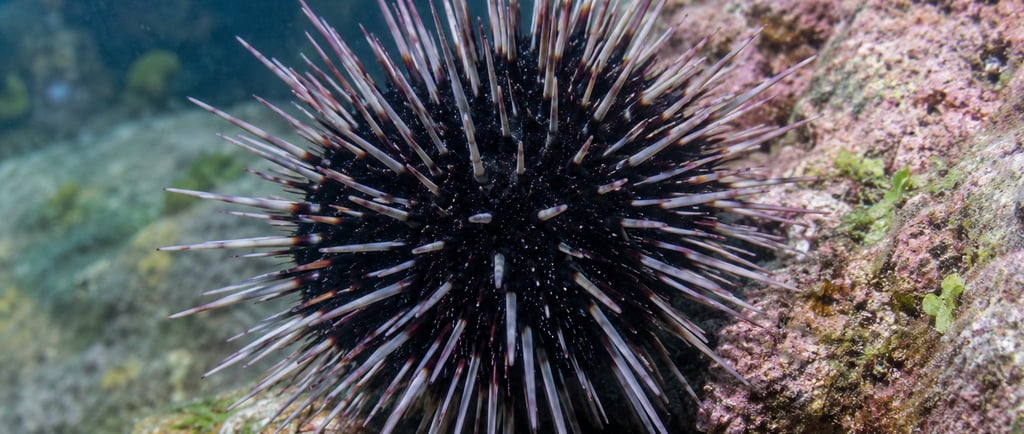
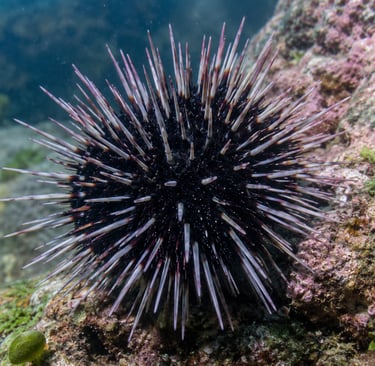
The Rock-Boring Urchin, scientifically known as Echinometra lucunter, exhibits unique physical traits that distinguish it from other sea urchins. Typically, this species measures between 7 to 10 centimeters in diameter, possessing a hemispherical shape that aids in its adaptation to its habitat. The external presentation of Echinometra lucunter is characterized by a rough and spiny texture, featuring short, sturdy spines that help protect it from potential predators.
Color variations among Echinometra lucunter range from deep purples and browns to lighter hues of green and gray, contributing to its ability to camouflage within rocky substrates of reef environments. This coloration plays a critical role not only in protection but also in thermoregulation and signaling to potential mates during breeding seasons.
In terms of behavior, Echinometra lucunter displays fascinating habits in its natural habitat. It is primarily a herbivorous species, feeding on algae, which it grazes from coral and rocks. Its feeding technique involves using its specialized mouthparts, known as Aristotle's lantern, to scrape algal layers off surfaces. This feeding behavior not only sustains the individual urchin, but also plays a crucial role in controlling algae populations within reef ecosystems, highlighting the ecological importance of this sea urchin.
Furthermore, Echinometra lucunter is often observed boring into calcareous substrates, where it creates a protective burrow. This behavior aids in securing the urchin against predators and environmental stressors. The interaction of Echinometra lucunter with its surrounding environment, including its integral role in reef health, underscores the adaptability and significance of this species in marine ecosystems.
Habitat Requirements for Keeping Echinometra lucunter
The Rock-Boring Urchin, or Echinometra lucunter, is a fascinating species often sought by aquarists due to its unique behavior and ecological importance. To successfully keep this echinoderm in a reef tank, it is essential to replicate its natural habitat adequately. The primary factors to consider include water parameters, substrate type, and overall tank conditions.
Water quality is paramount for Echinometra lucunter. Ideal temperature ranges between 72°F to 78°F (22°C to 26°C) should be maintained, ensuring optimal physiological function. Salinity levels must approximate natural seawater, typically between 1.020 to 1.025 specific gravity. Furthermore, the pH level is crucial; a stable pH of around 8.1 to 8.4 is recommended, closely resembling the natural environment of coral reefs.
In addition to water parameters, the lighting within the tank should be considered. Echinometra lucunter naturally resides in areas with moderate light, so the provision of subdued lighting, mimicking a sun-drenched reef while avoiding excessive brightness, will create a more comfortable environment for the urchin. This will also facilitate the growth of coralline algae, which provides a food source and mimics its natural surroundings.
The substrate is another critical aspect of habitat setup. Sand or fine gravel is recommended, allowing the urchin to burrow and mimic its natural habitat. Additionally, incorporating various rocks and crevices will not only enhance the visual appeal of the tank but also provide necessary shelter and hiding spots for the urchin. Finally, it is advisable to include live rock in the aquarium, as it contributes to the tank’s biodiversity and provides a constant food supply for the urchin.
Feeding Echinometra lucunter in Captivity
Proper feeding is vital for the well-being of the Rock-Boring Urchin, scientifically known as Echinometra lucunter, in an aquarium environment. As an herbivorous species, these urchins thrive on a diet consisting primarily of algae. In the wild, they primarily graze on natural algae found on rocky substrates and coral reefs. To replicate this diet in captivity, it is essential to provide a range of suitable foods that promote their health and vitality.
High-quality marine algae, such as nori (dried seaweed), should form the cornerstone of their diet. It is advisable to secure pieces of nori to a feeding clip within the tank to encourage grazing behavior. In addition to nori, other supplement foods can include marine flakes or pellets designed for herbivorous sea creatures. Foods containing spirulina and other nutrient-rich components are particularly beneficial, as they offer essential vitamins and minerals.
Feeding frequency plays a critical role in maintaining the health of Echinometra lucunter. Generally, providing food two to three times per week is sufficient. However, consistent monitoring of the urchin’s health and tank conditions may necessitate adjustments in feeding frequency. Ensure that leftover food is removed after 24 hours to maintain water quality and prevent any adverse effects on the aquarium environment.
Given their natural grazing tendencies, it is also important to offer an environment where natural algae growth can occur. Utilizing live rock, substrates that encourage algae growth, and controlling light conditions can create an optimal habitat for these urchins. Supplementing with calcium and other trace elements may also be beneficial, as these contribute to the overall health and robustness of Echinometra lucunter, further ensuring their successful adaptation in reef tanks.
Compatibility with Other Reef Tank Inhabitants
The Rock-Boring Urchin, scientifically known as Echinometra lucunter, is a fascinating addition to any reef tank. Understanding its interactions with other marine life is crucial for ensuring a harmonious environment. Generally, Echinometra lucunter is considered a peaceful inhabitant and has demonstrated compatibility with a variety of reef tank denizens including fish, corals, and other invertebrates.
When housing Echinometra lucunter, it is important to consider the tank mates. Small, peaceful fish, such as clownfish and gobies, typically coexist well with the urchin. They tend to avoid confrontation, allowing for a tranquil community. However, it is advisable to steer clear of larger or more aggressive fish that might view the urchin as a challenge or threat.
Corals are another significant consideration when curating a reef tank. Fortunately, Echinometra lucunter exhibits minimal interaction with corals. Nevertheless, it's essential to monitor the placement of the urchin, especially in relation to sensitive corals like soft corals. While the urchins are typically herbivorous, they may incidentally come into contact with corals while grazing on algae, causing stress to more delicate species.
In terms of invertebrates, Echinometra lucunter generally cohabitates well with other species such as snails and hermit crabs. However, caution is suggested as they may compete for food resources and space. It’s imperative to ensure ample algae growth for the urchin to thrive without disrupting the habitat of other invertebrates.
To encourage a balanced and harmonious community within your reef tank, focus on providing an array of hiding spaces and adequate food sources, allowing all residents to coexist peacefully. Proper planning and vigilance when selecting tank mates will contribute significantly to the success of maintaining Echinometra lucunter alongside a diverse marine ecosystem.
Common Care Challenges and Solutions
Keeping the Rock-Boring Urchin (Echinometra lucunter) in reef tanks poses several challenges that aquarists may encounter. One prevalent issue is health-related complications, which can arise from a range of factors including inadequate water quality and unsuitable tank conditions. Regularly monitoring parameters such as pH, ammonia, nitrate, and nitrite levels will help maintain a stabilised environment for these urchins. A consistent water temperature, ideally between 75°F and 82°F (24°C to 28°C), is crucial for their well-being.
Another significant challenge faced by aquarists is algae overgrowth. Echinometra lucunter is known for its role in controlling algal populations in coral reefs, but in a closed aquarium system, imbalances can lead to excessive algae growth. To mitigate this, introducing other herbivorous species can help keep algae in check while ensuring that the urchins have adequate grazing opportunities. It's advisable to provide a diet that incorporates both algae and other protein sources to support their nutritional needs.
Environmental stress is also a common concern, which can result from changes in water chemistry or tank structure. To alleviate stress, it is essential to introduce the urchin into a well-established tank where the ecosystem has already stabilized. When introducing new inhabitants, gradual acclimatization is necessary to minimize shock. Additionally, providing shelters is vital, as it allows the urchins to establish and feel secure, reducing stress levels.
By understanding these common challenges and implementing suitable solutions, aquarists can create a nurturing and thriving habitat for the Rock-Boring Urchin, enhancing the overall stability and health of the reef tank ecosystem.
Conclusion and Final Thoughts
In conclusion, caring for the Rock-Boring Urchin, scientifically known as Echinometra lucunter, requires attention to various aspects to ensure their well-being in reef tanks. Understanding their natural behaviors and habitat preferences is essential for any aquarist wishing to introduce these unique creatures into their aquarium ecosystem. Echinometra lucunter thrives in environments that mimic their natural surroundings, including ample space for burrowing and grazing on algae, which are crucial components of their diet.
Furthermore, it is important to maintain stable water parameters and a well-balanced ecosystem within the reef tank. This includes monitoring temperature, salinity, and nutrient levels, all of which can significantly impact the health of the Rock-Boring Urchin. As herbivorous grazers, they play a vital role in controlling algae growth, thus contributing to the overall health of the reef system. Responsible ownership entails providing proper care and avoiding common pitfalls that can arise due to lack of information or planning.
Ultimately, understanding the intricacies of Echinometra lucunter not only benefits the aquarist by enhancing the beauty and balance of their reef tank but also supports broader marine conservation efforts. As marine ecosystems continue to face challenges, every effort to care for and maintain the health of these species contributes to the resilience of our oceans. By taking the time to learn about the Rock-Boring Urchin and its specific needs, aquarists ensure that they can thrive in captivity while fostering an appreciation for marine life among aquarium communities.
HappyReefing!