The Halloween Urchins in Reef Tanks
5/8/20267 min read
Introduction to Halloween Urchins
Halloween urchins, scientifically known as Tripneustes gratilla, are marine echinoderms that are recognized for their striking appearance and fascinating behavioral traits. These creatures are predominantly found in the Indo-Pacific region, particularly in coral reefs, seagrass beds, and rocky substrates, where they thrive in shallow waters. Their natural habitat is typically characterized by warm temperatures and abundant sunlight, which promotes the growth of algae, their primary food source.
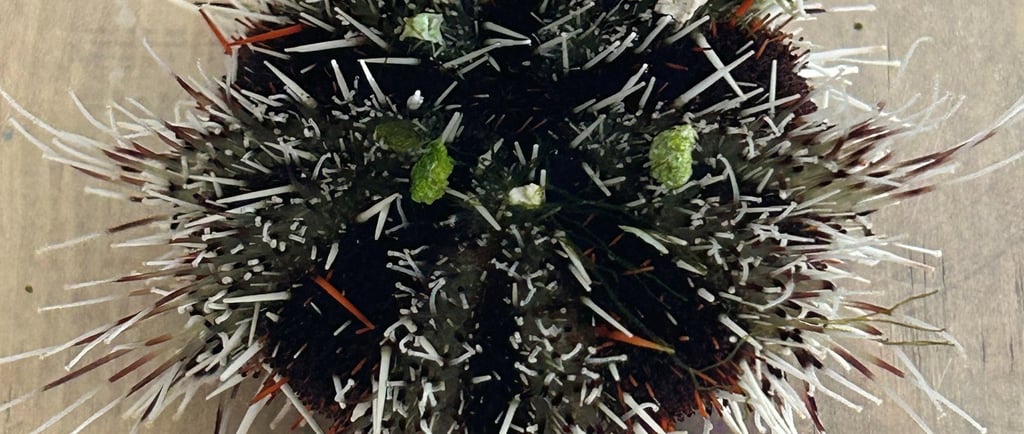
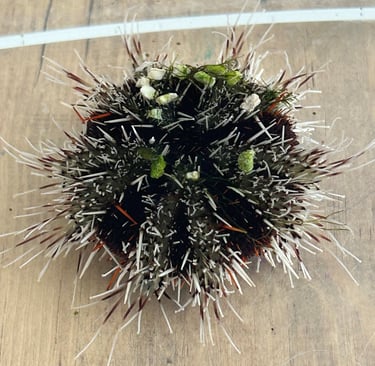
Physically, Halloween urchins are notable for their rounded bodies and vibrant color patterns, which often include a mix of green, brown, and orange hues resembling the festive theme of Halloween. Their surface is adorned with long, movable spines, which serve both a defensive purpose and aid in locomotion. The average diameter of these urchins is about 4 to 6 inches, making them relatively small compared to other marine species. The colorful spines can vary in appearance, sometimes exhibiting bright patterns that contribute to their allure as aquarium pets.
The popularity of Halloween urchins in the reef tank community has surged in recent years. This can be attributed to their unique coloration that adds visual interest to marine aquariums, as well as their role in maintaining the ecological balance within these artificial environments. By grazing on algae, they help to prevent overgrowth, contributing positively to the health of the overall ecosystem in a reef tank. Additionally, their relatively peaceful nature and compatibility with various tank mates further enhance their desirability among aquarists.
Natural Habitat and Distribution
Halloween urchins, scientifically known as Heterocentrotus mamillatus, predominantly thrive in the warm tropical waters of the world's oceans. These marine creatures are typically found in the vibrant ecosystems of coral reefs, where their distinctive colors and spiny exteriors enable them to blend seamlessly into their surroundings. The coral reefs, with their diverse marine life and complex structures, provide essential habitats for Halloween urchins, facilitating their survival and growth.
Geographically, Halloween urchins are distributed across various locations in the Indo-Pacific region. They are particularly abundant around the islands of the Pacific Ocean, including the Hawaiian Islands, and can be located from the Red Sea to the Great Barrier Reef. Their preference for warm waters reflects their biological requirements, as these temperatures foster optimal metabolic activity and reproduction.
These urchins occupy different microhabitats within coral reef systems, including crevices and under ledges, where they can find shelter from predators. The structural complexity of coral reefs is essential for Halloween urchins as it offers both protection and access to their primary food sources, including algae and detritus. As a result, their presence not only highlights the health of the reef ecosystem but also plays a contributing role in maintaining ecological balance.
Furthermore, their distribution patterns can be influenced by factors such as water temperature, salinity, and available habitat structures, all of which affect marine species' sustainability. Thus, understanding the natural habitat and distribution of Halloween urchins is crucial for conserving coral reef ecosystems and preserving these unique marine organisms in the face of environmental changes and threats.
Physical Characteristics
Halloween urchins (Temnopleurus toreuma) are renowned for their striking and vibrant coloration, which plays a critical role in both their allure and survival. The most distinctive feature of these sea urchins is their remarkable array of colors, often exhibiting hues of orange, yellow, and blue, which can vary based on their environment and diet. This vivid pigmentation not only contributes to their aesthetic appeal in reef tanks but also aids in camouflage among the vibrant coral reefs and rocky substrates where they reside.
The body structure of the Halloween urchin is notably unique, characterized by a hard, globular shell known as a test, covered with long, prominent spines. These spines serve multiple purposes; they provide physical protection against predators such as fish, crabs, and sea stars, while also enabling the urchin to navigate its environment effectively. The spines can articulate, allowing the urchin to adjust its position and enhance its defensive posture.
Moreover, the spines' length and arrangement contribute to the urchin's ability to adapt to its surroundings. In the safe confines of a reef tank, the Halloween urchin may display its spines fully, creating an impressive visual spectacle. However, in nature, they use their spines as a means of anchorage and stability, embedding themselves among rocks and corals to avoid being swept away by currents. This behavior is essential for their survival, as it minimizes exposure to potential threats. Finally, the Halloween urchin's extraordinary features, including its coloration, body structure, and spine adaptations, not only make it a fascinating addition to marine aquariums but also showcase the intricate life forms within coral reef ecosystems.
Care Requirements for Halloween Urchins in Reef Tanks
Halloween urchins, known for their vibrant colors and unique appearance, require specific care to thrive within a reef tank environment. One of the primary factors to consider is the appropriate tank size. Ideally, a minimum tank size of 30 gallons is recommended, as this allows ample swimming space and stability in water parameters. Larger tanks help mitigate fluctuations in conditions, which is essential for the well-being of these marine creatures.
The water conditions are critical for the health of Halloween urchins. The temperature should be maintained between 72°F and 78°F, providing a comfortable environment. Salinity levels should be kept around 1.023 to 1.025 specific gravity, while the pH should remain stable at approximately 8.1 to 8.4. Regular monitoring of these parameters is essential, as abrupt changes can lead to stress and health issues for the urchin.
Substrate choice plays a pivotal role in the ecosystem within reef tanks. Halloween urchins prefer sandy or fine-gravel substrates, which not only mimic their natural habitat but also facilitate their grazing and feeding habits. It is advisable to avoid sharp or rough substrates, as they can injure the urchin's delicate body.
Feeding Halloween urchins requires attention to their dietary needs. These creatures primarily graze on algae; thus, providing a diet rich in plant material is essential. Supplementing their diet with dried seaweed or specialized herbivore foods can enhance their nutritional intake. Ensuring a balance in their diet promotes healthy growth and prevents potential deficiencies.
Overall, maintaining optimal tank size, balanced water conditions, appropriate substrate, and a nutritious diet are critical components to the successful care of Halloween urchins in a reef tank environment.
Feeding and Diet
Halloween urchins, or Tripneustes gratilla, are primarily herbivorous and have specific dietary requirements that need to be met in a captive environment, particularly in reef tanks. They play a crucial role in maintaining the health of the aquarium ecosystem by grazing on algae. An adequate supply of algae is essential for their growth and overall well-being. Their diet should predominantly include a variety of marine algae, which can be found in forms such as dried seaweed (nori), spirulina flakes, or even specific algal pellets designed for herbivorous biota.
In addition to commercial algae, it is beneficial to supplement their diet with fresh vegetables. Blanched greens, such as zucchini, spinach, and lettuce, can provide essential nutrients while being quickly consumed by these urchins. It is important to ensure that any vegetables are initially cleaned and blanched to make them easily digestible.
Feeding Halloween urchins should be done with care to mimic their natural grazing behaviors found in the wild. Generally, it is advisable to feed them small portions multiple times a week rather than one large feeding. This practice helps to prevent any uneaten food from degrading water quality in the tank. Additionally, observing their feeding habits can give insight into their dietary preferences, enabling aquarists to tailor their diet accordingly.
The frequency of feedings can depend on the size of the urchin and the overall algae growth in the aquarium. Ideally, they should be fed every two to three days. Regular monitoring of algae levels will help ensure that these urchins receive the nourishment needed to thrive in a captive environment. Proper diet and feeding practices will not only support the health of Halloween urchins but also enhance the ecological balance within reef tanks.
Behavior and Compatibility with Other Tank Mates
Halloween urchins, known for their striking appearance and fascinating behaviors, are notable inhabitants of reef tanks. These echinoderms exhibit unique traits that make them both interesting and relatively easy to manage in a captive environment. Growing to reach approximately 4-6 inches in diameter, their spiny exteriors provide not only protection but also serve as a substrate for various algae and small organisms, which can then enrich the ecosystem of the reef tank.
One key behavioral characteristic of Halloween urchins is their tendency to graze on algae, leading to a natural control of algal populations within a reef environment. Their constant movement across the substrate and rocks not only aids nutrient cycling but also promotes a healthy balance by preventing excessive algal growth. This grazing behavior allows them to coexist harmoniously with various corals and invertebrates, provided they are given enough space to roam freely.
In terms of compatibility, Halloween urchins can thrive in tanks with a variety of tank mates, including clownfish, gobies, and various species of coral. However, it is essential to avoid housing them with overly aggressive or territorial fish, as this could lead to stress for the urchin. Larger, more docile fish species generally coexist peacefully, thanks to the Halloween urchin's non-aggressive nature and passive demeanor. It is crucial to monitor interactions within the tank environment, especially at feeding times, to ensure that competition for food does not adversely affect the health of the urchin.
To foster a peaceful and active reef tank, maintaining a balanced ecosystem with diverse species is vital. Providing adequate hiding spots and territories can further promote a thriving community among tank residents. Therefore, the behavioral traits of Halloween urchins, combined with their compatible nature with select tank mates, make them an excellent addition to a well-planned reef aquarium.
Common Issues and Troubleshooting
Halloween urchins, known for their striking appearance in reef tanks, often encounter various health issues that require attention from owners. One of the common problems is poor water quality, which can destabilize the living conditions necessary for their survival. Elevated levels of ammonia, nitrites, and nitrates can lead to stress, resulting in lethargy or even death. Regular water testing and maintaining proper parameters such as salinity and pH are crucial for the well-being of these creatures. Additionally, employing a quality filtration system can greatly enhance water clarity and quality.
Another significant issue that reef tank owners may face is inadequate diet. Halloween urchins are herbivorous and require a diet rich in algae. Without sufficient algae or access to appropriate substitutes like seaweed, they may suffer from malnutrition, which manifests in a weakened shell and reduced activity. To mitigate this, providing supplemental food in the form of dried seaweed or vegetable tablets can ensure they receive the nutrients necessary for their health and vitality.
Pests, such as flatworms or detritivores, can also pose challenges for Halloween urchins. These pests can irritate their bodies and impede their ability to feed effectively. Regular tank maintenance, including siphoning detritus and monitoring for infestations, is essential. In invasive pest situations, quarantine of affected individuals or parts of the tank may be necessary to prevent widespread issues. Furthermore, maintaining a balanced ecosystem can naturally control pest populations, reducing the likelihood of outbreaks.
Lastly, stress due to tankmates can lead to health decline in Halloween urchins. Aggressive or overly active fish can inadvertently damage the urchin or inhibit its ability to find food. When introducing new species, careful observation and research are key to ensuring compatibility within the tank's ecosystem, providing a sanctuary in which the urchins can thrive.